
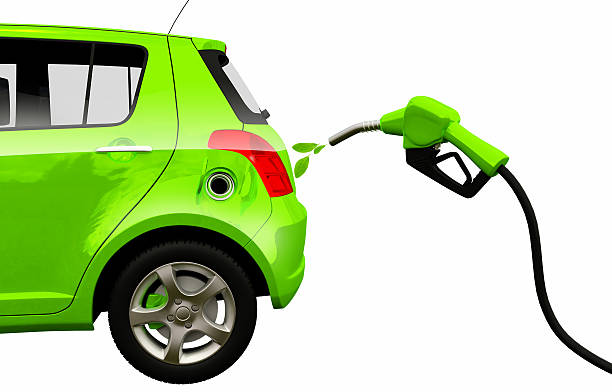
Over the past decade, the automotive industry has witnessed a dramatic shift. While gasoline-powered vehicles have dominated the roads for over a century, hybrid cars are now gaining significant traction. These vehicles, which combine traditional internal combustion engines with electric motors, are not just a passing trend—they represent a fundamental change in how we think about transportation. But the big question remains: is gasoline really on its way out? Let’s dive into the rise of hybrid cars and explore what this could mean for the future of gasoline.
What Makes a Hybrid Car?
At its core, a hybrid car is designed to maximize fuel efficiency and reduce emissions. Unlike purely gasoline-powered cars, hybrids use a combination of an internal combustion engine and an electric motor. This allows the vehicle to switch between fuel sources or even use both simultaneously, depending on driving conditions.
There are a few types of hybrid systems:
- Parallel Hybrid: Both the gasoline engine and electric motor can power the car together or separately.
- Series Hybrid: The gasoline engine only charges the battery, while the electric motor drives the wheels.
- Plug-in Hybrid: These can be charged via an external power source, allowing them to run primarily on electricity for short distances before switching to gasoline.
This flexibility is one of the main reasons hybrids appeal to consumers—they offer the benefits of electric cars without the range anxiety that pure electric vehicles sometimes bring.
Environmental Impact
One of the strongest arguments for hybrids is their environmental impact. Gasoline engines are a major contributor to greenhouse gas emissions, and transportation alone accounts for roughly 24% of global CO₂ emissions. Hybrids significantly reduce fuel consumption, which in turn lowers emissions.
For example, a typical hybrid might achieve 50–60 miles per gallon, compared to 25–30 mpg for a conventional gasoline car. Over time, these savings can add up, both in terms of carbon footprint and fuel expenses. For urban drivers, hybrids also reduce pollution levels in crowded cities, which can have a positive effect on public health.
Economic Factors
Initially, hybrids were more expensive than conventional cars, primarily due to the cost of batteries and dual powertrains. However, as technology has improved and production has scaled, prices have dropped considerably. In some cases, hybrid models are only slightly more expensive than their gasoline-only counterparts.
Government incentives have also played a crucial role in encouraging hybrid adoption. Tax credits, rebates, and exemptions from certain fees make hybrids more accessible to the average consumer. Additionally, with rising gasoline prices and increasing awareness of fuel efficiency, hybrids are becoming an economically sensible choice for many households.
The Role of Technology
Advancements in battery technology, regenerative braking systems, and lightweight materials have made hybrids more efficient and reliable than ever. Modern hybrids can seamlessly switch between electric and gasoline power, often without the driver noticing.
Another exciting development is vehicle-to-grid (V2G) technology. This allows hybrid cars to feed electricity back into the grid, potentially turning every hybrid into a mini power station. While still in its early stages, V2G could dramatically increase the utility and value of hybrid vehicles, making them more than just a mode of transportation—they could become an integral part of our energy infrastructure.
Are Gasoline Cars Becoming Obsolete?
Despite the growing popularity of hybrids, it’s unlikely that gasoline cars will disappear overnight. Internal combustion engines are deeply entrenched, and the global infrastructure—from refineries to fueling stations—still supports gasoline-based vehicles. In many parts of the world, electric charging infrastructure remains limited, making hybrids a practical bridge rather than a complete replacement.
However, trends indicate a gradual decline in gasoline reliance. Many countries have announced plans to phase out sales of new gasoline cars within the next 10–20 years. Major automotive manufacturers are investing heavily in hybrid and electric technology, signaling a shift in long-term priorities. If these plans come to fruition, gasoline may become increasingly niche, used mainly in older vehicles and specialty markets.
Challenges and Considerations
Hybrid cars are not without challenges. Batteries have a limited lifespan and can be expensive to replace. The production of lithium-ion batteries also raises environmental and ethical concerns, particularly regarding mining practices. Additionally, while hybrids reduce fuel consumption, they still rely on gasoline, meaning they are not completely free of carbon emissions.
There’s also the question of consumer behavior. Some drivers may still prefer the simplicity and familiarity of traditional gasoline cars. For hybrids to fully replace gasoline vehicles, public perception must shift alongside technology.
The Road Ahead
The rise of hybrid cars represents an important transitional phase in automotive history. They bridge the gap between conventional gasoline vehicles and fully electric cars, offering both environmental and economic benefits. As battery technology continues to improve, production costs decrease, and charging infrastructure expands, hybrids will likely become a standard choice for everyday drivers.
While gasoline may not disappear completely in the near future, its dominance is clearly waning. In the next decade, we could see a world where most cars on the road are hybrids or fully electric, and gasoline becomes a secondary, rather than primary, fuel source.
The journey is far from over, but one thing is certain: the automotive landscape is changing. Hybrid cars are not just a stopgap—they’re a glimpse of a cleaner, smarter, and more efficient future.