
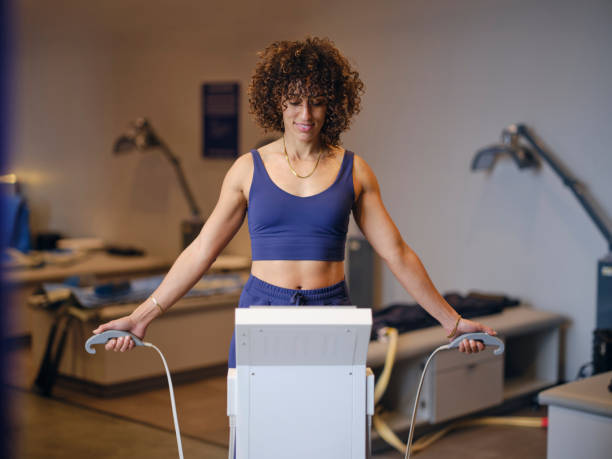
In recent years, the term “biohacking” has exploded in popularity, popping up in wellness blogs, tech forums, and even mainstream media. At first glance, it sounds like something out of a sci-fi movie—humans tweaking their own biology with gadgets, diets, and experimental hacks to become stronger, smarter, or live longer. But how much of it is grounded in science, and how much is just hype? Let’s break it down.
What Is Biohacking, Really?
Biohacking is, in simple terms, the attempt to optimize your body and mind using self-experimentation. It’s not limited to fancy gadgets or expensive supplements—at its core, it’s about making intentional changes to your lifestyle to improve physical and mental performance. Some biohackers track their sleep, adjust diets, or practice intermittent fasting, while others explore more extreme measures, like implanting chips under their skin or experimenting with nootropics (brain-boosting drugs).
The appeal is obvious: in a world obsessed with productivity, longevity, and peak performance, who wouldn’t want a shortcut to feeling sharper, healthier, or more energetic? But while the promise is alluring, the science behind many of these practices varies widely.
Common Biohacks: What Works and What Doesn’t
Nutrition Hacks
From keto to intermittent fasting, nutrition is one of the most accessible ways people try to biohack themselves. Studies suggest that intermittent fasting can improve insulin sensitivity, aid in weight management, and even support cellular repair processes. Similarly, diets rich in whole foods, antioxidants, and omega-3 fatty acids can benefit brain and heart health.
That said, not all trendy diets are magic bullets. Some extreme detox plans or fad supplements have little scientific backing and could even harm your body in the long run. The key? Stick to evidence-based nutrition tweaks and monitor how your body responds.
Sleep Optimization
Sleep is arguably the most underrated biohack. Monitoring sleep patterns with wearable devices, practicing consistent sleep schedules, or using techniques like “polyphasic sleep” can make a noticeable difference in energy, mood, and cognitive function. Research consistently shows that even small improvements in sleep quality can enhance memory, reaction times, and overall wellbeing.
But be cautious: obsessively tracking sleep or relying on gadgets that promise to “hack” your brain during rest can become counterproductive. True biohacking here is about balance, not gimmicks.
Exercise and Movement
Physical activity is one of the most reliable ways to biohack your body. High-intensity interval training (HIIT), strength training, and functional exercises have all been scientifically proven to boost metabolism, support cardiovascular health, and improve mental clarity. Some biohackers go further, using electrical muscle stimulation, cryotherapy, or infrared saunas to enhance recovery and performance. While these can offer benefits, many are still under-researched, and results vary from person to person.
Nootropics and Cognitive Enhancers
This is where biohacking starts to blur the line between science and speculation. Nootropics—supplements, drugs, or natural compounds aimed at improving cognitive function—have gained a cult following among tech professionals and students. Caffeine, for instance, is a tried-and-true cognitive booster, and certain compounds like L-theanine or omega-3s have modest evidence for enhancing focus.
But beyond these basics, many marketed “smart drugs” lack robust human studies. Using prescription medications like modafinil or racetams without medical supervision can be risky and, in some cases, illegal. Biohacking your brain isn’t as simple as taking a pill—it requires careful evaluation and awareness of potential side effects.
5. Extreme Biohacks: Implants and Genetic Tweaks
Some biohackers take things to the next level, experimenting with subdermal chips, implantable sensors, or even DIY gene editing. While this sounds futuristic and exciting, the scientific community largely warns against unsupervised experiments. The risks—ranging from infections to unintended genetic consequences—far outweigh the potential benefits for most people. At this stage, extreme biohacking remains largely experimental and controversial.
Separating Fact From Fiction
The hype around biohacking often overshadows what actually works. Here’s a reality check:
Fact: Lifestyle changes—diet, exercise, sleep, and stress management—are the most reliable biohacks. They have solid scientific backing and minimal risk.
Fiction: Quick fixes like miracle supplements, DIY genetic editing, or extreme gadgets promising superhuman abilities are largely unproven and sometimes dangerous.
A healthy dose of skepticism is crucial. The allure of hacking your body into peak performance can lead to disappointment—or worse, harm—if you ignore the fundamentals of science and safety.
The Psychology Behind Biohacking
Part of biohacking’s appeal isn’t just about the body—it’s about control. In a world where so much feels uncontrollable, biohacking gives people a sense of agency over their health and performance. Tracking your sleep, measuring your heart rate variability, or experimenting with diets can feel empowering. But it can also lead to obsession or anxiety if taken too far. The challenge is to approach biohacking as a tool, not a guarantee.
Practical Tips for Safe Biohacking
Start small: Focus on diet, exercise, and sleep before experimenting with supplements or tech.
Track results: Use apps or journals to see what genuinely improves your wellbeing.
Be skeptical: Question bold claims, especially if they promise instant results.
Consult professionals: Nutritionists, doctors, or sleep specialists can help guide your experiments safely.
Listen to your body: No hack works if it leaves you feeling worse instead of better.
Conclusion: Biohacking as a Lifestyle, Not a Magic Bullet
Biohacking straddles the line between science and culture, promising transformation while sometimes overstating the facts. The reality is that you can optimize your body and mind—but it takes patience, experimentation, and smart decision-making. Nutrition, exercise, sleep, and mindfulness remain the cornerstones of any legitimate biohacking effort. Extreme gadgets or experimental drugs may seem exciting, but they’re not a substitute for the basics.
Ultimately, biohacking is less about turning into a cyborg superhuman and more about understanding your body, experimenting responsibly, and making incremental changes that genuinely improve your quality of life. So, next time someone promises to hack your way to immortality, remember: some hacks work, some don’t, and the best results often come from simply treating your body well.