
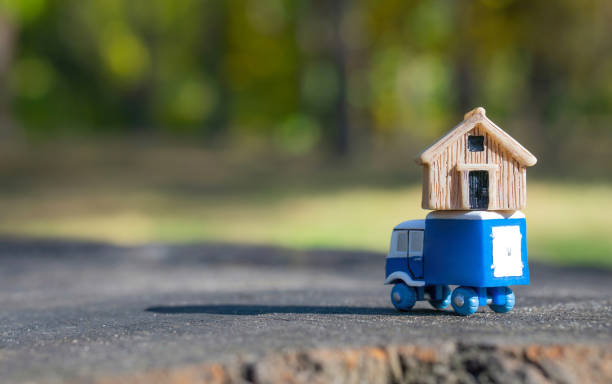
In a world where bigger has often meant better, the tiny home movement is flipping that idea on its head. Across cities and rural areas alike, people are trading sprawling houses for compact, efficient living spaces. Tiny homes, usually ranging from 100 to 400 square feet, are more than just a trend—they’re a lifestyle shift, a financial strategy, and even an environmental statement. But why is the world suddenly obsessed with living small? Let’s dive in.
The Allure of Simplicity
At the heart of the tiny home movement is simplicity. With less space comes less clutter, less maintenance, and, often, less stress. Imagine waking up in a cozy 250-square-foot home where everything you need is within arm’s reach. There’s no endless hallway to clean, no massive garden to maintain, and no attic stuffed with “someday” items. Tiny homes force people to prioritize what truly matters, which can have a surprisingly calming effect on daily life.
Simplicity doesn’t just benefit the mental state—it also fosters creativity. Designing functional storage solutions and multi-purpose furniture is practically an art form in tiny homes. A bed might fold into the wall, a table might double as a desk and dining area, and clever shelving can turn awkward corners into practical spaces. For many, these constraints push them to think outside the box and truly embrace smart design.
Financial Freedom in Compact Form
One of the biggest draws of tiny homes is the financial freedom they can offer. Traditional houses come with hefty mortgages, property taxes, and maintenance costs. Tiny homes, however, are often far more affordable. Some can be bought outright for a fraction of a standard home’s price, while others, built on wheels, can avoid property taxes entirely.
Reducing living expenses can open doors to other opportunities. People living in tiny homes might pay off debt faster, save for travel, or invest in experiences instead of things. The movement aligns with a growing desire to live intentionally rather than being chained to financial obligations. Essentially, a smaller space can lead to a bigger life.
Environmental Benefits: Less is Truly More
Tiny homes aren’t just good for the wallet—they’re good for the planet. With smaller footprints, they naturally consume fewer resources. Less space means less energy needed for heating, cooling, and lighting. Many tiny home enthusiasts incorporate sustainable materials, solar panels, composting toilets, and rainwater collection systems, further reducing environmental impact.
The tiny home movement also challenges the culture of consumerism. Instead of accumulating furniture, appliances, and “stuff,” residents often focus on experiences and essentials. By downsizing, people contribute to a smaller carbon footprint, less waste, and more conscious consumption. In an era of climate awareness, this lifestyle is both practical and socially responsible.
Mobility and Flexibility
One fascinating aspect of many tiny homes is mobility. Tiny houses on wheels allow homeowners to travel without leaving the comfort of their own home behind. This flexibility can be life-changing—think about waking up with a new view every week, exploring different towns, or even moving closer to seasonal work opportunities. It’s a modern take on nomadic living, offering freedom without sacrificing stability.
Even stationary tiny homes offer flexibility in lifestyle choices. Many are modular or designed to be relocated, meaning homeowners can adapt their living situation as life circumstances change. Whether it’s upgrading to a slightly bigger space, moving to a quieter neighborhood, or bringing loved ones closer, tiny homes allow for adaptability that conventional housing rarely offers.
Community and Connection
Another surprising benefit of tiny homes is how they foster connection. Because residents have less private space, many tiny home communities emphasize shared areas and collaboration. Shared gardens, communal kitchens, and co-working spaces encourage interaction and create supportive networks. People often report feeling less isolated and more connected to neighbors than in traditional suburban setups.
These communities also provide a platform for knowledge sharing. From DIY construction tips to sustainable living practices, tiny home networks thrive on collaboration. The sense of belonging and purpose strengthens the appeal of living small.
Challenges of Tiny Living
Of course, tiny homes aren’t perfect. The reduced space can be challenging for families, couples, or even individuals who value privacy. Zoning laws and building codes can make tiny home construction tricky in some areas, and finding a permanent spot to park a mobile tiny house can be difficult.
Maintenance might be simpler, but the need for smart organization is constant. Without careful planning, tiny living can feel cramped or chaotic. It’s a lifestyle that demands discipline, flexibility, and creative problem-solving. But for those willing to embrace these challenges, the rewards—financial freedom, environmental impact, and a simpler life—often outweigh the drawbacks.
The Future of Housing
As housing costs continue to rise and environmental concerns grow, tiny homes may become more than a trend—they could represent a solution. Developers are experimenting with micro-apartments in urban centers, governments are exploring zoning reforms, and sustainable living is increasingly mainstream. Tiny homes align with the shift towards minimalism, mobility, and conscious consumption that defines modern culture.
In many ways, tiny homes are reshaping our understanding of what “home” truly means. It’s less about square footage and more about comfort, efficiency, and intentionality. For those willing to think differently about space and possessions, living small can mean living big.
Tiny homes prove that sometimes, less really is more. They offer financial freedom, environmental responsibility, community connection, and a simpler, more intentional way of life. As the world continues to evolve, it’s clear that small spaces can make a huge impact—not just on the individual, but on society as a whole