
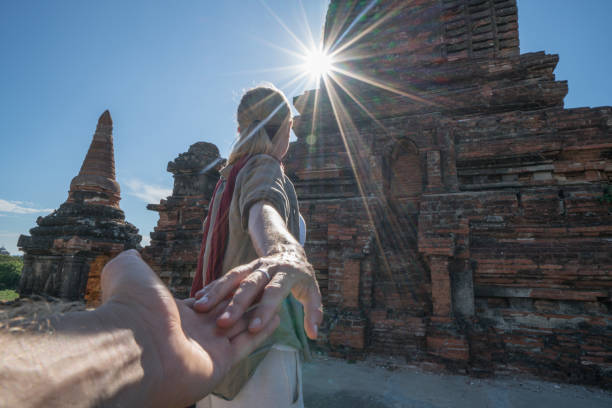
Traveling isn’t just about ticking off landmarks on a list or snapping photos for social media. While everyone loves a postcard-worthy view, the real magic of travel happens when you dive deep into the local culture. Cultural immersion transforms a simple vacation into an unforgettable experience that shapes how you see the world—and yourself.
Seeing Beyond the Surface
When most people travel, they stick to the obvious attractions: museums, famous streets, and tourist hotspots. There’s nothing wrong with that, but it’s a surface-level way to experience a place. Cultural immersion goes further. It’s about spending time with locals, understanding their traditions, tasting foods you can’t pronounce, and learning the stories behind everyday life.
Imagine walking through a bustling market in Marrakech. Sure, the colors of the spices and textiles are stunning, but when a local vendor shares the history of a certain spice blend or teaches you a few words in Arabic, you start seeing the city through the eyes of someone who lives there. That’s the difference between traveling and truly experiencing a place.
Food as a Gateway
One of the easiest—and tastiest—ways to immerse yourself in another culture is through food. Every country has its own flavors, cooking techniques, and dining customs. Eating like a local is not just about taste; it’s about understanding history, geography, and community.
Take Italy, for example. Many tourists are content with ordering spaghetti or pizza, but those who engage with locals might find themselves in a small, family-run trattoria where recipes have been passed down for generations. They learn that a certain type of cheese or wine tells a story about the region’s climate, agriculture, and traditions. Eating becomes more than nourishment—it becomes a lesson in culture.
Language: The Bridge to Connection
Even learning a few basic phrases in the local language can dramatically change your travel experience. Simple words like “thank you” or “hello” open doors, spark conversations, and show respect for the community. People are often more willing to share their lives with travelers who make the effort to communicate in their language.
I remember traveling in Japan and stumbling through greetings and polite expressions. Just trying to say “good morning” in Japanese turned strangers into guides, helping me navigate neighborhoods, explaining customs, and sharing their favorite hidden spots. Language connects you to people in a way that guidebooks never can.
Participating in Traditions
Joining local traditions or festivals can leave a lasting impression. These experiences offer a glimpse into the values, beliefs, and creativity of a community. From dancing at a street festival in Brazil to participating in a tea ceremony in Kyoto, cultural immersion puts you in the middle of life as locals live it.
Even small acts, like helping prepare food for a holiday celebration or joining a craft workshop, create meaningful interactions. You’re not just observing a culture; you’re living it, and that perspective changes how you view the world.
Breaking Stereotypes and Expanding Perspectives
Traveling through cultural immersion helps break stereotypes. When you spend time with locals, you see that life is rarely as simple as it seems from afar. People are complex, and their cultures are layered with history, struggle, and joy.
For instance, visiting a rural village in India might challenge preconceived notions you have about life in smaller towns. You might find innovation, warmth, and hospitality in places you thought would be limited or traditional. These moments reshape how you perceive not just the country you’re visiting, but also your assumptions about people in general.
Sustainable and Respectful Travel
Immersing yourself in culture encourages more sustainable and respectful travel. When you understand the traditions, economic realities, and environmental concerns of a place, you’re less likely to exploit it or contribute to over-tourism.
Choosing locally-run businesses, engaging with artisans instead of buying mass-produced souvenirs, or supporting cultural initiatives ensures that your travel benefits the community. Cultural immersion aligns enjoyment with responsibility, making your experience richer and more meaningful.
Personal Growth Through Travel
The impact of cultural immersion isn’t limited to the destination—it changes you. Facing new challenges, navigating unfamiliar social norms, and seeing life through different perspectives encourages personal growth. You become more adaptable, patient, and empathetic.
Traveling with an open mind teaches you that your way of living is not the only way. It encourages humility and gratitude. And the lessons you bring back—whether it’s patience learned from a slower pace of life or resilience inspired by seeing communities thrive under hardship—can influence how you live at home as well.
Making Memories That Last
Finally, cultural immersion creates memories that are far more meaningful than typical tourist experiences. Sitting with a family over a homemade meal, sharing laughter despite a language barrier, or participating in a local festival—these are the moments that stay with you for a lifetime. They’re the stories you tell not just to show where you’ve been, but to illustrate how you’ve grown and what you’ve learned.
Traveling changes when you focus on people, not just places. Cultural immersion shifts your perspective from being a passive observer to an active participant, and the experiences you gain are richer, deeper, and far more rewarding.
Conclusion
In the end, traveling isn’t just about seeing; it’s about understanding, connecting, and growing. Cultural immersion transforms every journey into a story of discovery—both of the world and of yourself. It teaches lessons that no guidebook can, opens doors that no map can mark, and leaves impressions that last far longer than the typical tourist itinerary.
So the next time you plan a trip, consider stepping off the beaten path. Talk to locals, try new foods, learn a few words, and embrace traditions. You won’t just see a new place—you’ll feel it, understand it, and carry it with you in a way that makes every future adventure richer.