
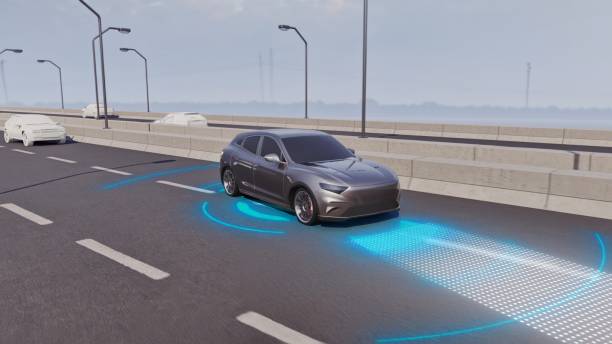
The way we drive and use roads is changing faster than most of us realize. Cars aren’t just metal boxes on wheels anymore—they’re computers on wheels, packed with sensors, cameras, and AI systems. And roads? They’re starting to talk back. Welcome to the era of smart highways, where technology is transforming the driving experience, making roads safer, more efficient, and even more environmentally friendly.
From Traditional Roads to Intelligent Networks
For decades, roads were simple: asphalt, markings, and occasional traffic lights. But now, roads are evolving into complex networks that interact with vehicles. Sensors embedded in the pavement can monitor traffic flow, detect accidents, and even measure road conditions. This data feeds into central traffic management systems, which can optimize traffic lights, alert drivers about hazards, and reroute vehicles to prevent congestion.
Cities like Singapore and Stockholm are already using smart road technologies to reduce traffic jams and improve safety. By combining car sensors with road infrastructure, these cities can predict traffic patterns in real time, minimizing delays and emissions.
The Role of Connected Cars
Connected cars, or vehicles that communicate with other cars (V2V) and infrastructure (V2I), are central to smart highways. Imagine your car warning you about a sudden slowdown ahead or even coordinating speed with nearby vehicles to maintain a smooth flow. These systems rely on wireless communication and high-speed data exchange, turning every vehicle into a node in a larger traffic network.
Tesla, BMW, and other automakers are pushing this technology forward. Their vehicles already collect and share data about road conditions, weather, and obstacles. This isn’t just about convenience—it’s about safety. Cars that communicate with each other can prevent collisions, reduce traffic jams, and even help emergency vehicles reach accident sites faster.
Autonomous Vehicles: Driving the Change
Autonomous or self-driving cars take the concept of smart highways a step further. Fully autonomous cars rely on a combination of onboard sensors, cameras, radar, and lidar to navigate. When combined with smart road technology, they can optimize routes, reduce energy consumption, and even coordinate with other autonomous vehicles to improve traffic efficiency.
Imagine a highway where every vehicle moves at the optimal speed, braking and accelerating in sync to prevent stop-and-go traffic. That’s the promise of autonomous cars on smart highways. While full autonomy isn’t mainstream yet, semi-autonomous features like adaptive cruise control, lane-keeping assistance, and automatic braking are already laying the groundwork.
Energy Efficiency and Environmental Impact
Smart highways aren’t just about technology—they’re about sustainability too. Traffic congestion leads to wasted fuel and increased carbon emissions. Smart roads can reduce these problems by smoothing traffic flow and even guiding electric vehicles to charging stations.
Some highways are experimenting with solar panels embedded in the pavement to generate electricity, while others use smart lighting that adjusts based on traffic conditions. This not only saves energy but also reduces light pollution. As more vehicles become electric and autonomous, these technologies could dramatically lower the environmental footprint of road travel.
Data and Analytics: The Brain Behind Smart Roads
All these advancements rely on one crucial element: data. Smart highways generate massive amounts of information—from vehicle speeds to traffic density, weather conditions, and even driver behavior. Analyzing this data in real time allows traffic managers to make informed decisions and improve road safety.
Artificial intelligence and machine learning are key here. They can predict traffic jams before they happen, detect accidents faster, and even suggest infrastructure improvements based on long-term trends. The more data collected, the smarter the system becomes, creating a feedback loop that continually improves road efficiency.
Challenges on the Road to Smart Highways
Despite the promise, building smart highways comes with challenges. Infrastructure upgrades are expensive, and integrating new technologies with old road systems is complex. There are also cybersecurity concerns—connected vehicles and smart roads can be vulnerable to hacking if not properly secured.
Public acceptance is another hurdle. Drivers may be wary of autonomous vehicles or skeptical about privacy when their location and driving habits are constantly monitored. Governments, automakers, and tech companies must work together to address these concerns while educating the public on the benefits of smart highways.
The Future: A Seamless Driving Experience
The ultimate vision for smart highways is a seamless driving experience, where vehicles, infrastructure, and traffic management systems work in harmony. Drivers would receive real-time information about road conditions, optimal speeds, and alternative routes. Autonomous cars could coordinate automatically to maintain smooth traffic flow, while smart signals and sensors prevent accidents before they happen.
In the long run, we could see highways that adapt dynamically to traffic, weather, and environmental conditions, creating roads that are safer, faster, and greener. The combination of car technology and intelligent infrastructure has the potential to redefine urban mobility and make commuting less stressful and more efficient.
Conclusion
Smart highways are no longer a distant dream—they are gradually becoming reality. With connected cars, autonomous vehicles, AI-driven traffic management, and sustainable infrastructure, our roads are evolving into intelligent systems that benefit everyone. The journey won’t be without challenges, but the potential payoff is huge: safer roads, smoother traffic, lower emissions, and a smarter, more connected world of driving.
The next time you hit the highway, don’t just see asphalt and lanes—imagine a network of sensors, AI systems, and connected vehicles working together to make your ride smarter and safer. The roads of the future are here, and they are more intelligent than we ever imagined.